Te Kura Tuatahi o Tāhuna
Queenstown Primary School
Curriculum Guide
Queenstown Primary School offers a comprehensive and multicultural educational framework that emphasises both academic excellence and personal growth.
The school implements Structured Literacy and Mathematics along with a Project-Based Learning Model to help students solve real-world challenges.
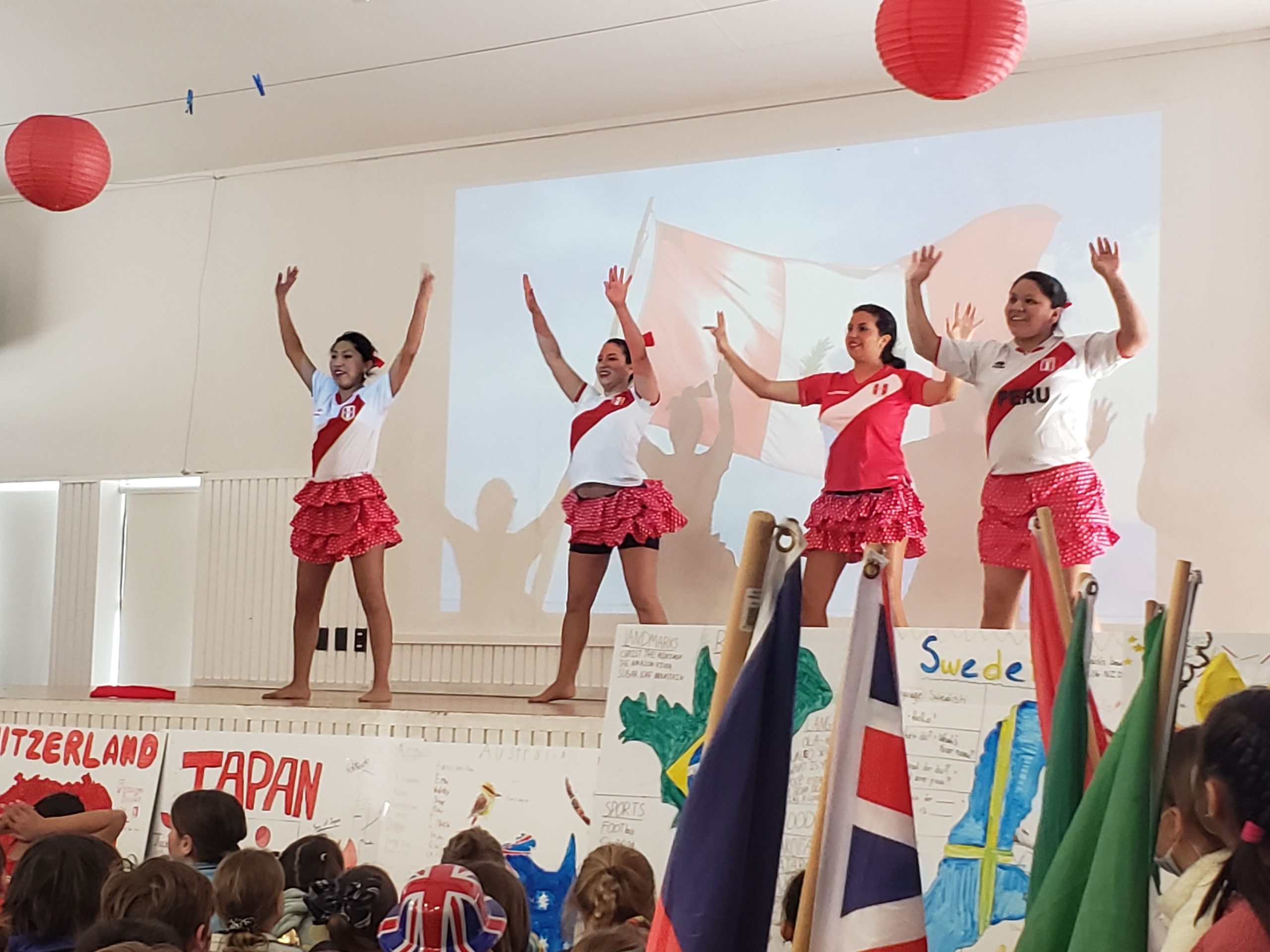
A significant focus is placed on cultural diversity, celebrating over 30 nationalities through international events and a robust Māori and performing arts programme.
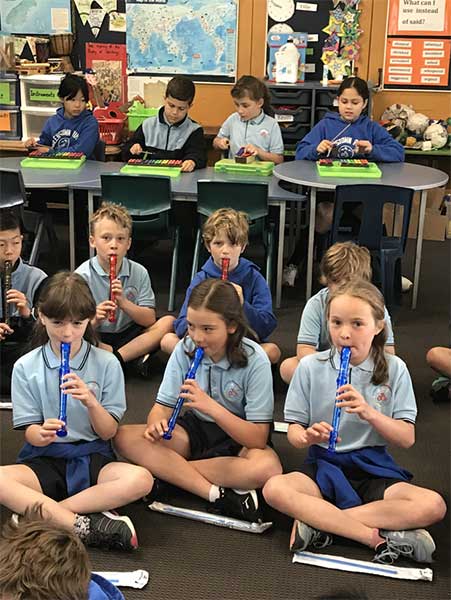
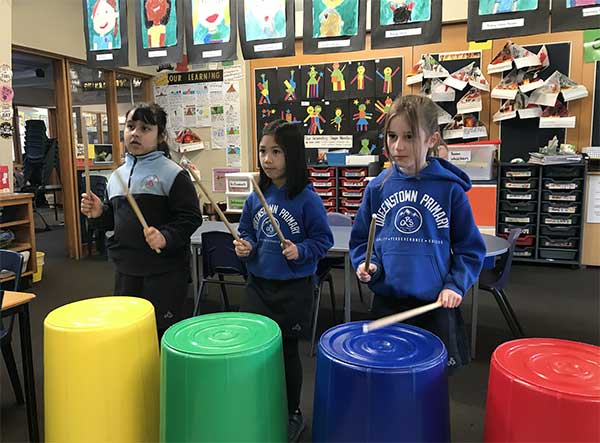
Students also benefit from specialist rotations in fields such as physical education, hard materials, soft materials and science, alongside diverse opportunities in music and dance.
To further personal interests, the Development of Talents (Dots) initiative allows children to explore elective workshops ranging from coding to sewing. Overall, the curriculum is designed to foster 21st-century skills and a lifelong passion for learning within a supportive community.


Curriculum Delivery
At Queenstown Primary School, curriculum delivery is explicitly aligned with the Ministry of Education’s updated National Curriculum frameworks, prioritising a high-impact, knowledge-rich learning environment.
For Years 0–8, our core focus centres on the mandatory implementation of the newly updated English and Mathematics & Statistics learning areas.
This structural shift moves away from decentralised planning toward a highly scaffolded approach, emphasising explicit teaching practices. This includes the required implementation of phonics checks in the junior years to ensure foundational literacy and numeracy skills are embedded before students advance.
To guarantee our classroom delivery translates into measurable growth, teaching teams are required to conduct twice-yearly standardised assessments for Years 3–8 using approved monitoring tools like SMART, e-asTTle, or PATs. This data doesn’t just sit in a spreadsheet; it actively shapes our everyday differentiated planning and directly drives toward the MOE’s target of lifting 80% of Year 8 students to or above their expected curriculum level.
Furthermore, this robust tracking feeds into our reporting to parents and whānau, ensuring our twice-yearly communication provides clear progress descriptors, visual learning trajectories, and genuine transparency regarding where a student sits and how we are supporting their next steps.
At Queenstown Primary School, our numeracy and literacy programmes are designed to provide every student with a strong foundation in essential capabilities, directly aligned with the New Zealand Curriculum, Te Mātaiaho.
We implement evidence-based, knowledge-rich teaching practices informed by the science of learning to ensure equitable and excellent outcomes for our diverse community.
Literacy Curriculum
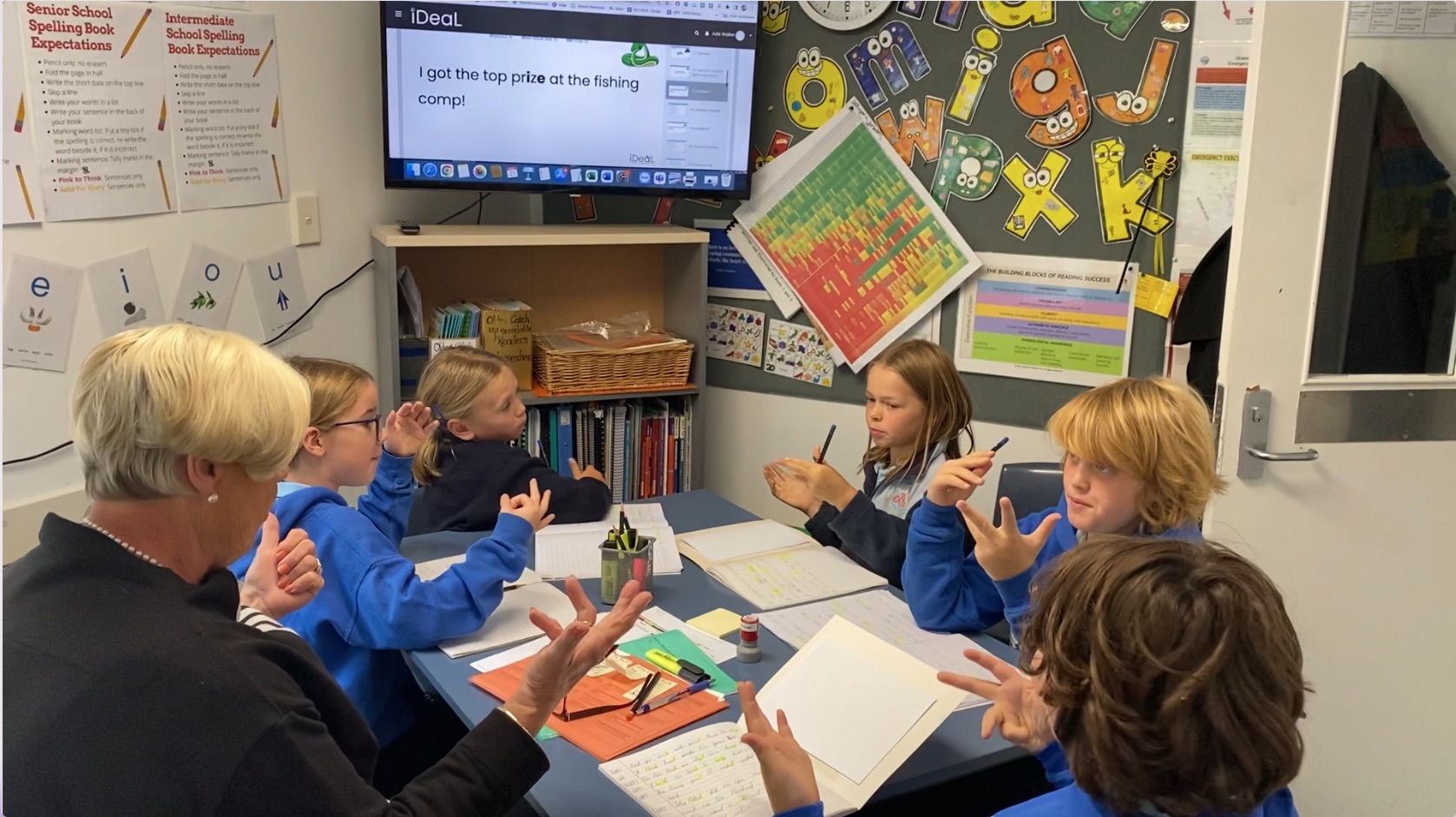
Our literacy programme is grounded in a Structured Literacy approach, which is evidence-based and aligned with the science of reading. We provide systematic and explicit instruction that integrates oral language, reading, and writing to foster a love of language and a deep understanding of how texts are crafted.
- Core Strands: We focus on the three primary strands for Years 0–8: Oral Language (effective communication and interaction), Reading (decoding, making meaning, and critical thinking), and Writing (transcription skills, composition, and writing processes).
- Instructional Approach: Literacy instruction is explicit, systematic, and cumulative. In the early years (Phase 1, Years 0–3), we build foundational skills in phonemic awareness and synthetic phonics. As students progress through Phases 2 and 3 (Years 4–8), the emphasis shifts toward complex vocabulary, deep comprehension, and disciplinary knowledge of English.
- Partnership & Excellence: Since 2019, our staff have worked in partnership with Learning MATTERS to ensure consistent delivery of Structured Literacy across all year levels.
- Multicultural Support: Recognising our multicultural identity, we provide targeted support for English Language Learners (ELL) using the English Language Learning Progressions (ELLP) to ensure all students can access the academic language of the curriculum.
- Teaching Time: In accordance with national requirements, we provide 10 hours per week of teaching and learning focused on reading and writing, recognising the critical role of oral language development.
- Community Engagement: We value the partnership between school and home, hosting an annual Literacy Open Day to share best practices and provide whānau with ideas to support learning at home.
- Assessment: We monitor progress through systematic tools, including Phonics Checks in the first year and twice-yearly assessments such as SMART, PATs, or e-asTTle for students in Years 3–8.
Working in Partnership With Learning MATTERS.


Numeracy Curriculum
At Queenstown Primary School, we follow the NZ Mathematics and Statistics Curriculum, equipping students with the conceptual and procedural knowledge required to explore and make sense of their world.
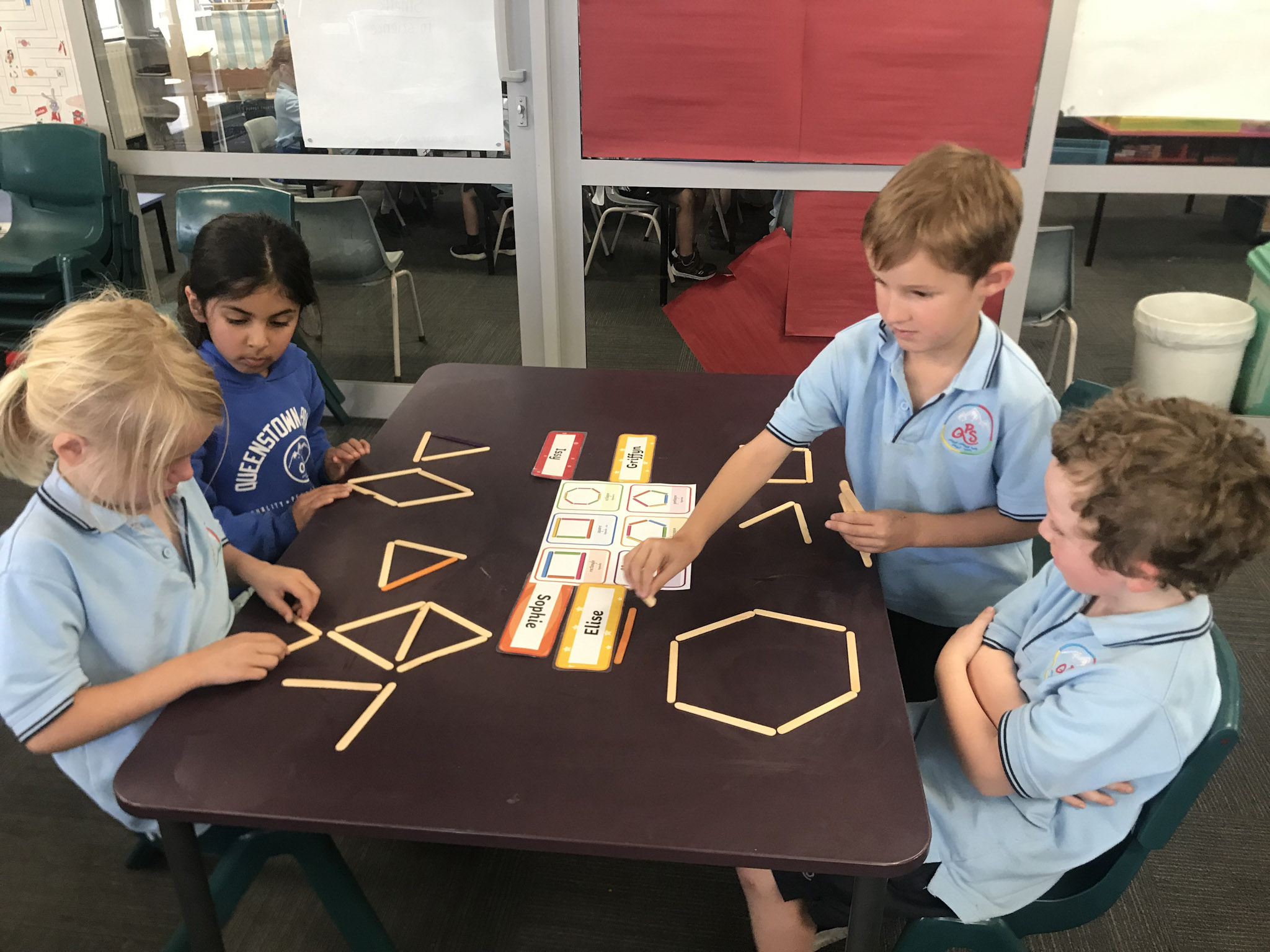
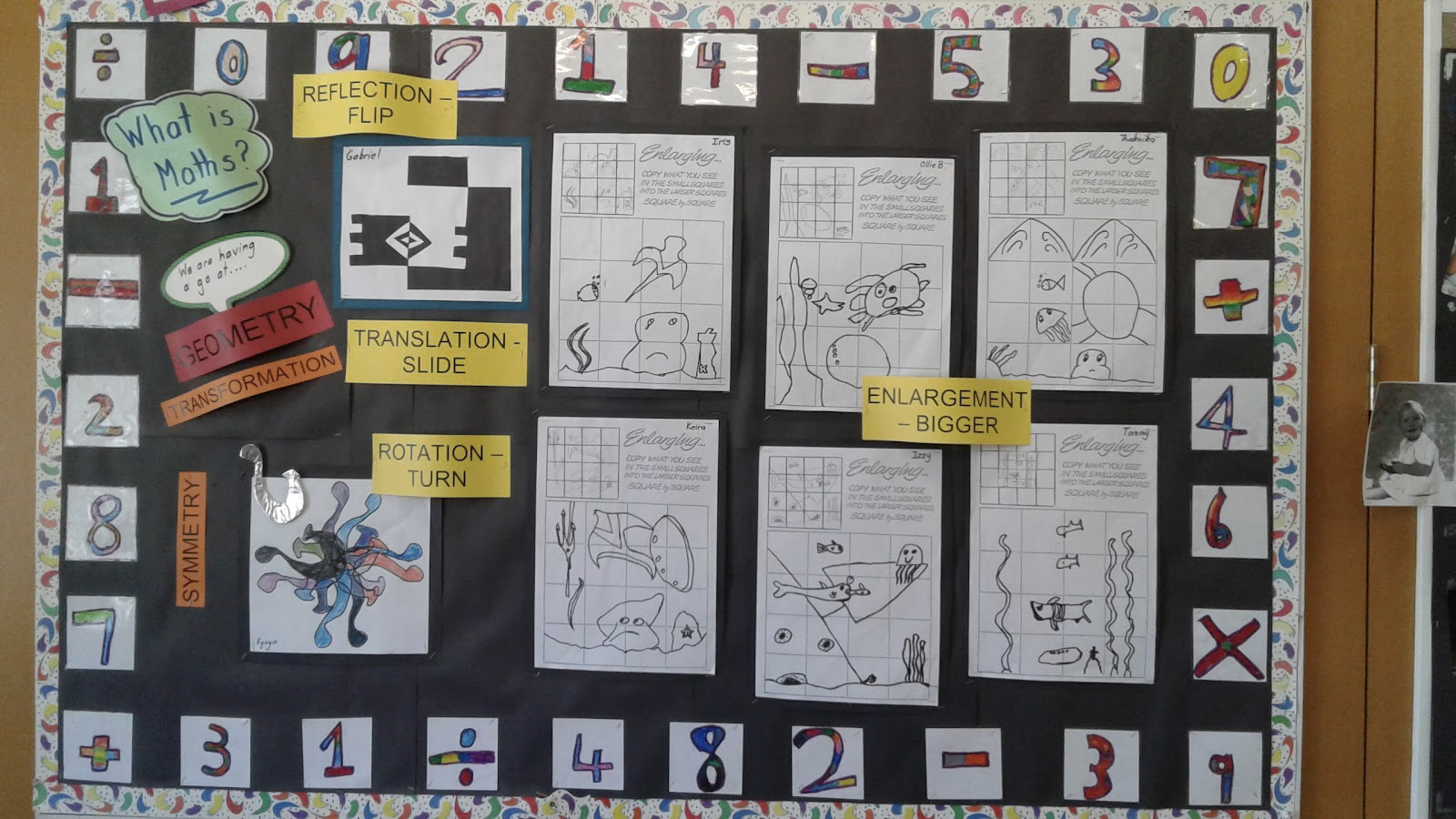
- Knowledge Strands: Our programme covers all six strands: Number, Algebra, Measurement, Geometry, Statistics, and Probability.
- Explicit & Authentic Learning: Mathematical concepts and strategies are explicitly taught through a variety of practical, authentic, rich tasks. We use individual, peer, and whole-class settings to enhance learning by drawing on prior knowledge and personal reflection.
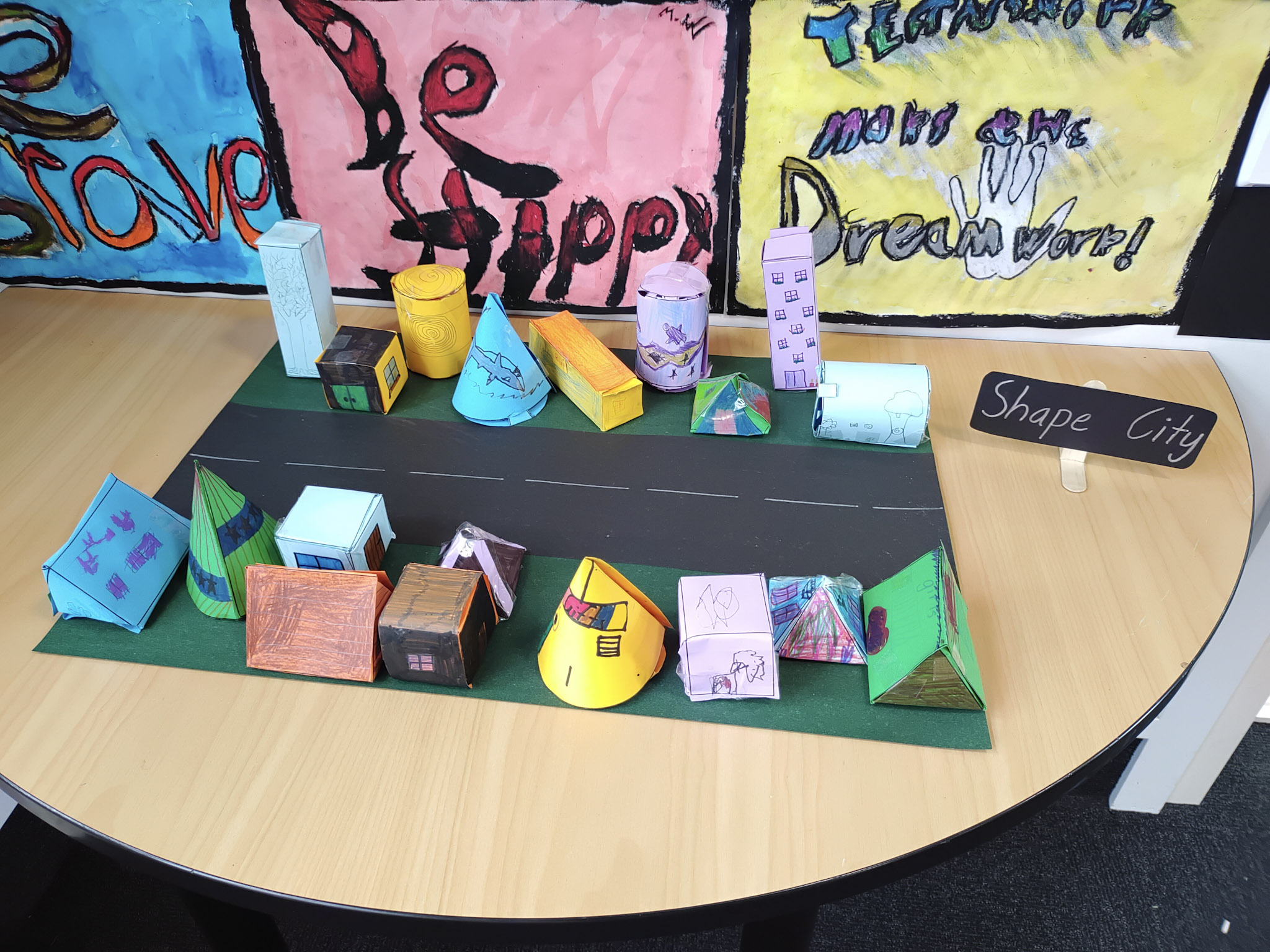
- Mathematical Processes: We focus on the fundamental processes of investigating, representing and connecting, generalising, explaining, and justifying findings. Students are encouraged to use materials to deliver new concepts and build visualisation skills.
- Teaching Time: We dedicate 5 hours per week to Mathematics, ensuring students develop the fluency needed to solve problems and reason logically.
- Community Engagement: We value the partnership between school and home, and we host an annual ‘Mathematics Open Day’ to share best practices and provide whānau with ideas to support learning at home.
- Community Engagement: We value the partnership between school and home, hosting an annual Literacy Open Day to share best practices and provide whānau with ideas to support learning at home.
- Assessment: Teachers use high-quality assessment data to track progress. Students in Years 3–8 undergo twice-yearly formal assessments using reliable tools like SMART or PATs.
Science, Social Sciences, The Arts, Technology, Health and Physical Education, and Learning Languages
Currently, these curriculum areas are in draft. The Ministry of Education’s phased rollout of the refreshed national curriculum is designed to give students a clear, knowledge-rich, and consistent learning journey.
The Ministry has mapped out a gradual timeline to introduce the updated curriculum for all other subjects.
This phased approach ensures our teachers have ample time to unpack the new content and prepare resources, guaranteeing a smooth and impactful transition for our tamariki.
The upcoming timeline for the official rollout of the remaining subjects includes:
- 2027 (Years 0–8): Science and Social Sciences will officially transition to the updated curriculum framework.
- 2029 (Years 0–8): All remaining primary school learning areas including The Arts, Technology, Health and Physical Education, and Learning Languages will be officially required.
We will continue to keep you updated every step of the way as we step into these new learning areas together!


Project-Based Learning
At Queenstown Primary School, Project-Based Learning (PBL), is a cornerstone pedagogical practice designed to transform standard lessons into real-life, authentic learning journeys.
Guided by our vision of creating confident, connected, future-focused learners, our approach to PBL ensures that students aren’t just memorising facts, but are actively developing the skills and capabilities outlined in our Student Learner Profile.
By connecting curriculum outcomes to meaningful local contexts within the Wakatipu Basin and the wider world, we give students an authentic purpose for their learning.
Our PBL framework is structured to balance explicit teacher guidance with student agency:
- Deliberate ‘Front-Loading’ of Skills: Before students embark on their independent projects, teachers utilise deliberate acts of teaching to front-load essential knowledge and foundational skills. This ensures every student has a robust toolkit before taking the reins.
- Cultivating Conditions for Deep Learning: We design environments where students progress from limited initial understanding to becoming confident “experts” in their chosen topics. This progression naturally fosters critical thinking, problem-solving, and collaboration.
- High Engagement Through Agency: By offering students flexibility and choice in how they meet project outcomes, we naturally differentiate for diverse learning needs, keeping student motivation and engagement exceptionally high.
- The Feedback Loop: Rather than waiting until the final deadline, students participate in a continuous cycle of giving and receiving constructive peer and teacher feedback, refining the quality of their work in real time.
Filling the Kete: Ultimately, when a project concludes, our tamariki haven’t just completed a piece of work; they have filled their kete (basket) with transferable skills and capabilities that they can confidently apply to future learning challenges and life beyond our school gates.
Specialist Learning Areas
At Queenstown Primary School, students experience a range of explicit instruction from specialist teachers, designed to develop their skills and knowledge in alignment with Te Mātaiaho, The New Zealand Curriculum.


Culture

Celebrating our Diversity and Developing Relationships in our Multicultural School
‘Nga Hau e Whā: People blown in from everywhere meeting here.’
At Queenstown Primary School, we celebrate a rich multicultural identity, valuing the many different cultures, languages, and identities that make up our school community.
We believe that this diversity creates unique opportunities to explore and develop key areas of the New Zealand Curriculum, Te Mātaiaho, particularly as we embed the values of equity, respect, and community participation into all that we do.
Our environment is one where every student’s heritage is affirmed, ensuring they feel a deep sense of belonging and are empowered to flourish as lifelong learners within our increasingly global context. Queenstown Primary School has over 30 nationalities represented in the student and staff community.
We like to celebrate our cultural diversity and promote global awareness.
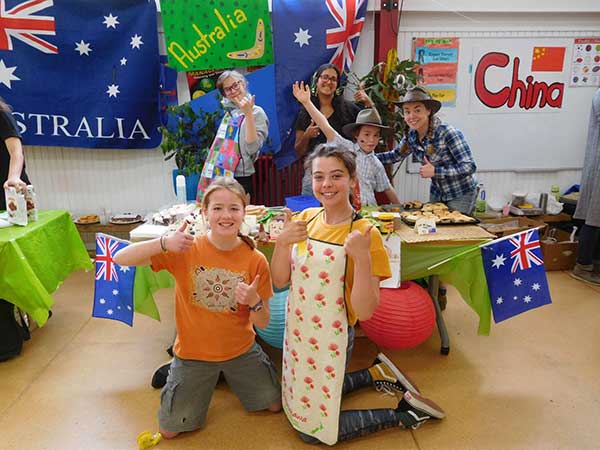
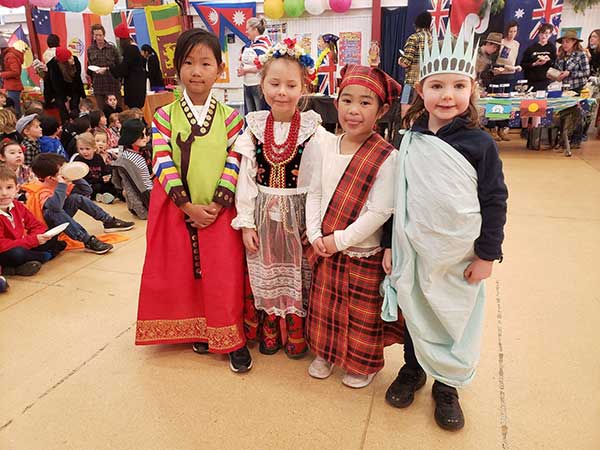
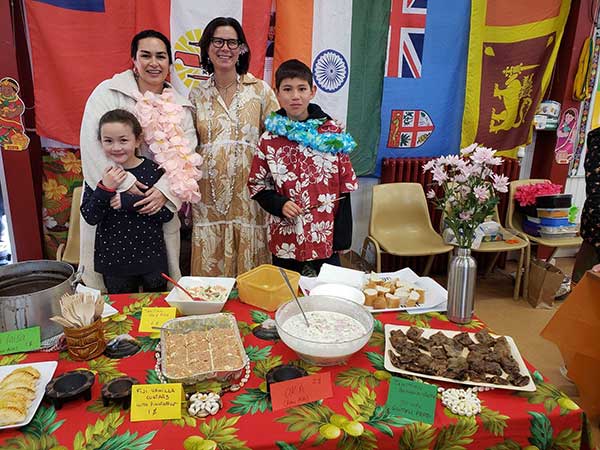
A highlight on the Queenstown Primary School calendar is our International Day when students come dressed in their national costumes and our school community provides food from their countries and entertains the school at assembly.
We also celebrate Cultural Festivals throughout the year including; Japanese Girls Day, Diwali, Ramadan and Holi.
Each year senior students are selected as our International Ambassadors. These student leaders are integral to ensuring all students feel safe and welcome at Queenstown Primary School. They help with translations and organise both the annual International Day and ESOL Luncheons.
English Speakers of Other Languages – ESOL
To ensure our English Language Learners achieve excellence, we provide high-quality, explicit instruction that is designed to accelerate progress while honouring their home languages.
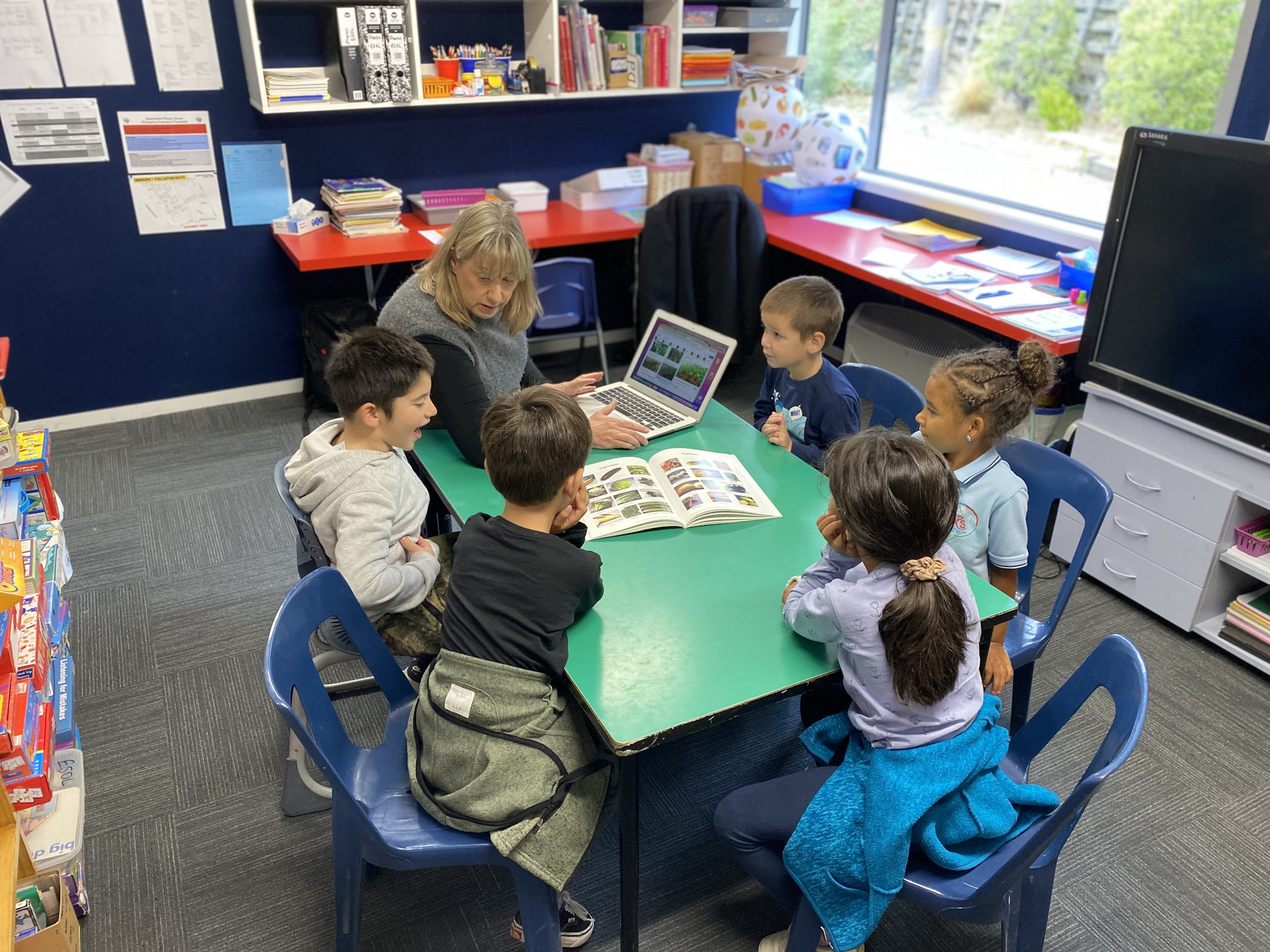
Our support includes targeted scaffolding of vocabulary and language structures across all curriculum areas, as well as specialised withdrawal programmes for students at the foundation stages, provided by a trained ESOL facilitator.
We track and monitor progress using the English Language Learning Progressions, ensuring students can access academic learning at an age-appropriate level.
By providing dual-language resources, offering interpreters for families at critical times, and reflecting our diverse cultures, we ensure that being multilingual is recognised as a positive asset for our entire school community.
Funding is assessed using the ‘English Language Learning Progressions’ (MOE, NZ) for the following groups of students.
- Migrants: Children who are new to the country and whose first language is not English or te reo Māori.
- Former Refugees: Students who hold official refugee status.
- New Zealand-born students: Children born in NZ who have at least one parent from a migrant or refugee background and speak a language other than English at home.


Kapa Haka
As a proud Māori Achievement Collaborative (MAC) school dedicated to the philosophy of “Māori Achieving as Māori,” Queenstown Primary School provides a vibrant environment where all students can experience and celebrate Kapa Haka.
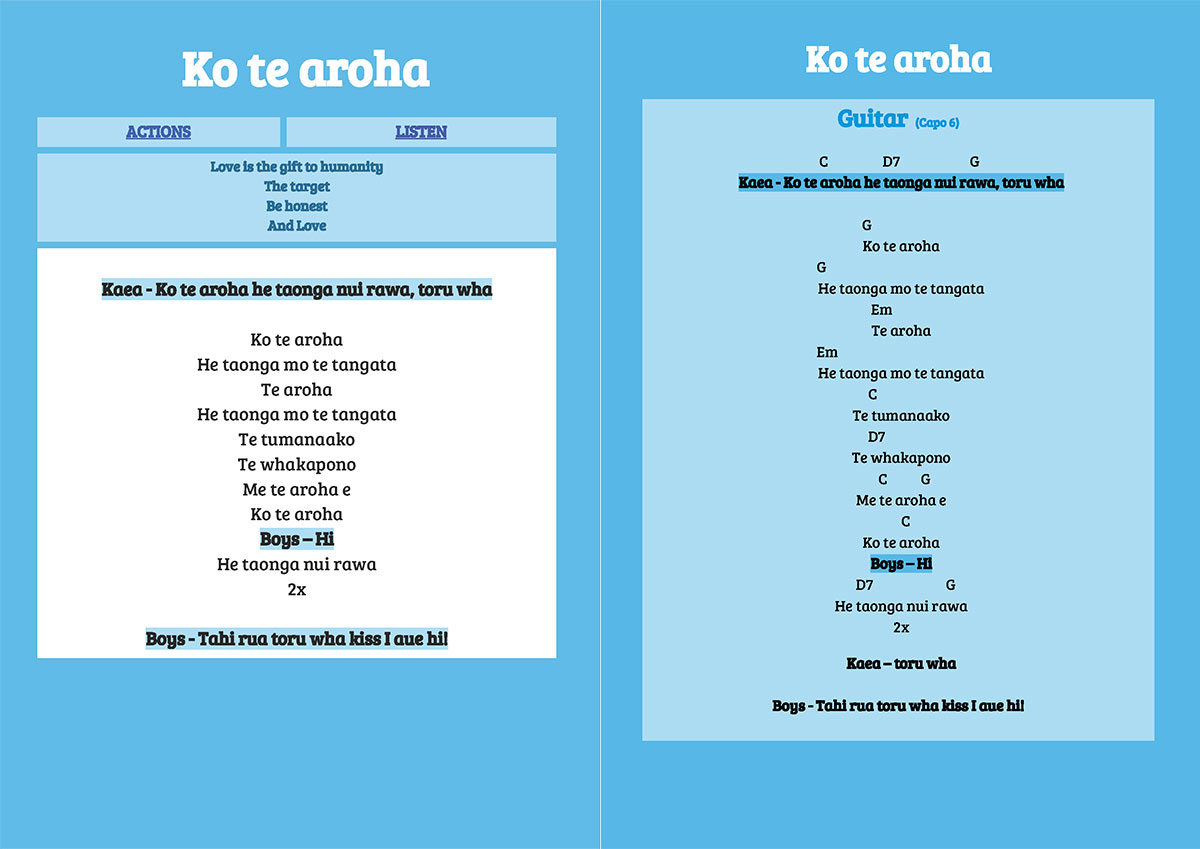
This optional programme beautifully complements our embedded, school-wide Te Reo me ngā Tikanga Māori curriculum, where daily karakia are used in our classrooms, and every student learns our school waiata, Ko te Aroha, and our school Haka Tautoko. Our Kapa Haka groups are structured to offer a supportive, scaffolded journey into Māori performing arts as students progress through our kura.
- The Pēpē Group (Years 0–2): This introductory group is tutored by senior students from our school whānau whose contribution and awhi (support) are deeply appreciated. The core purpose for our youngest tamariki is to begin learning foundational school waiata and karakia, all while developing a joyful, early appreciation for the language and customs of Te Reo and Tikanga Māori.
- The Tuakana Rōpū: Standing as a powerhouse of passionate students, our senior group has become a highly sought-after rōpū, frequently called upon to lead and support Mihi Whakatau and Pōwhiri across the Wakatipu Basin. This rōpū continuously refines their craft as they work toward major annual cultural events within the Wakatipu region, the wider Central Lakes community and Southland.
Extra Curricular Activities at Queenstown Primary School
We offer a wide array of extra-curricular and co-curricular activities designed to challenge students, foster leadership, and tap into their unique passions outside the standard classroom setting.
Cultural & Performing Arts:
Kapa Haka: A highly active rōpū that frequently performs at local Mihi Whakatau and Pōwhiri.
School Choir: The choir is open to students in Years 3–8 and is run by our specialist music teacher.
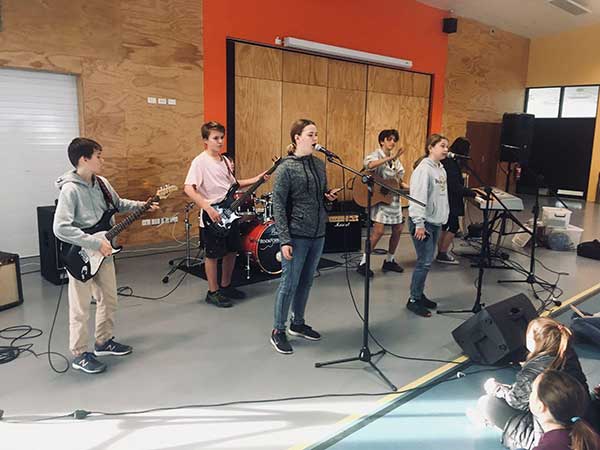
Rock Bands: Opportunities for musically inclined students to practice, collaborate, and perform. Students can audition for the Senior and Intermediate School Rock Bands, which are run by our itinerant Music teacher
Sports & Outdoor Recreation:
Seasonal Sports Teams: Including Touch Rugby, Rippa Rugby, and Netball played outside school hours.
Alpine & Winter Sports: Leveraging the local landscape with school-supported Skiing, Snowboarding, and Ice-skating programmes.
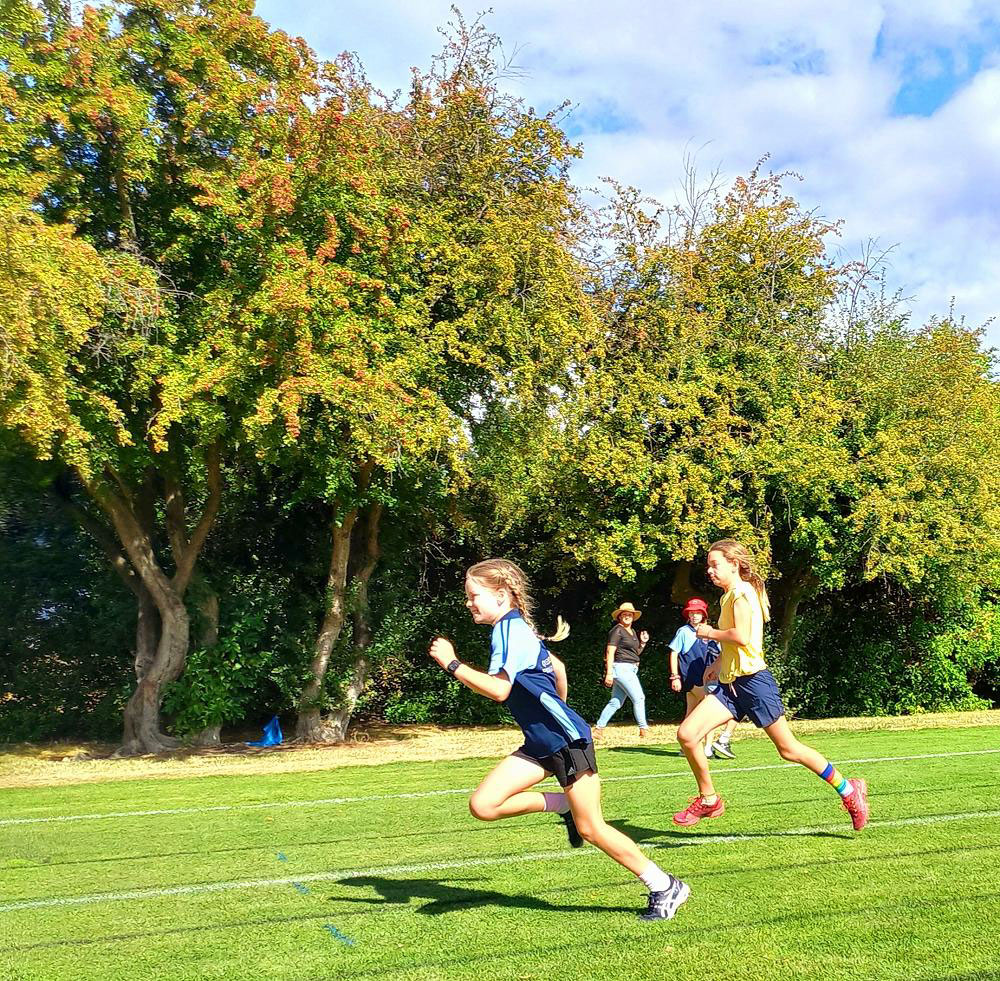
Competitive Events: School-wide Athletics and Cross Country, with pathways to represent the school at the Wakatipu and Central Otago zone levels.
Leadership & Community Service:
Student Leaders and Student Council: Giving a voice to the student body and organising community fundraising.
House Leaders: House Leaders serve as positive role models by organising assemblies, run games and sporting events for house days, leading fundraising initiatives, and support school-wide events.
PALs (Physical Activity Leaders): Senior students trained to lead lunchtime games and physical activities for younger peers. They support whole school sporting events to ensure everyone’s success.
Road Patrol: Active community service ensuring the safety of students coming to and from school.
Peer Mediators: Support positive behaviour in the playgrounds by talking through conflicts to find peaceful, fair solutions using the school values of Care, Respect and Integrity.
International Ambassadors: Student leaders who welcome new classmates from around the
world, help them adjust to their new school culture, and promote diversity across the school.
Special Interest Clubs & Academic Extension:
Enviroschools & Trees for Survival: Environmental initiatives focused on sustainability and local ecological care.
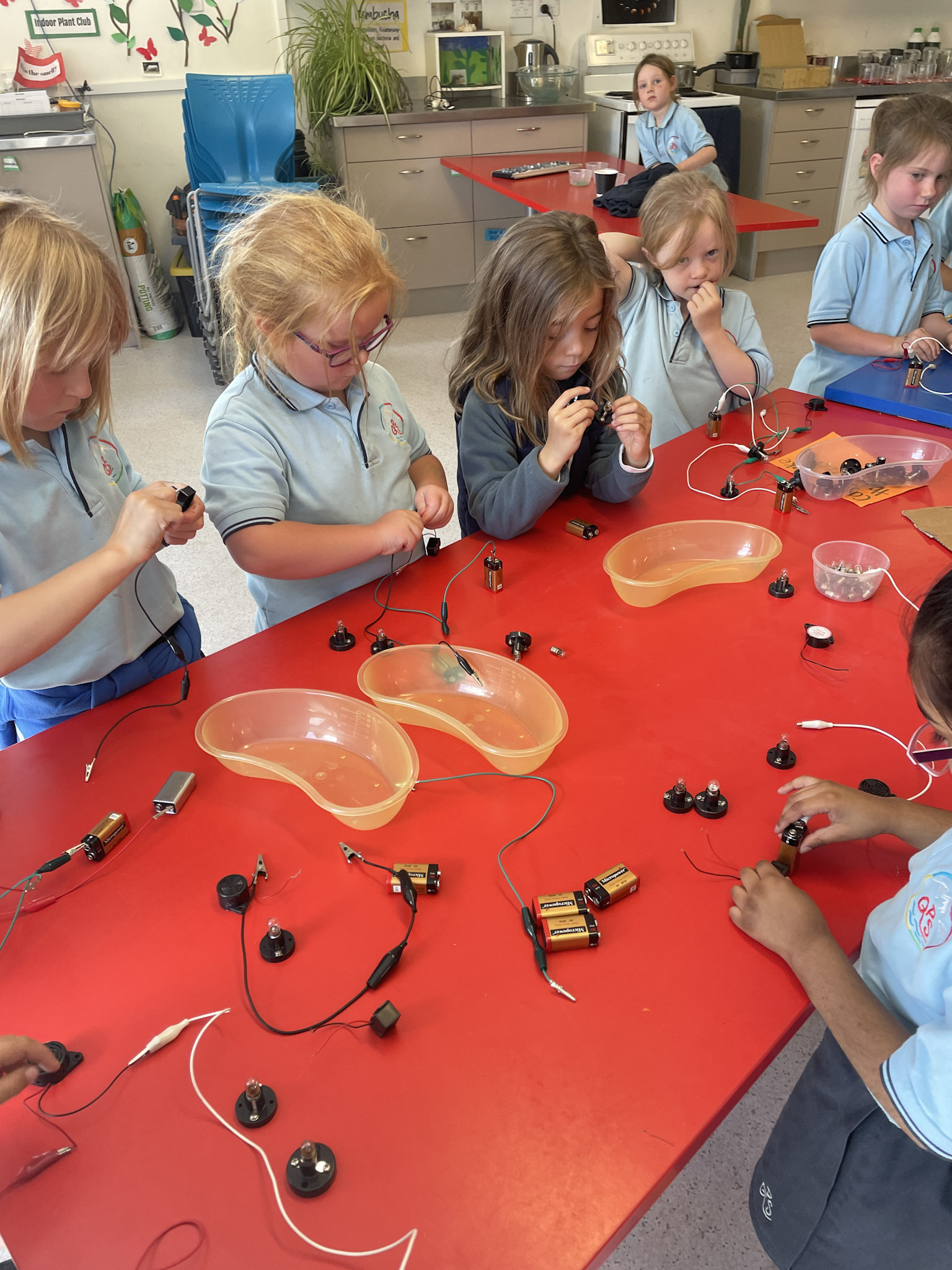
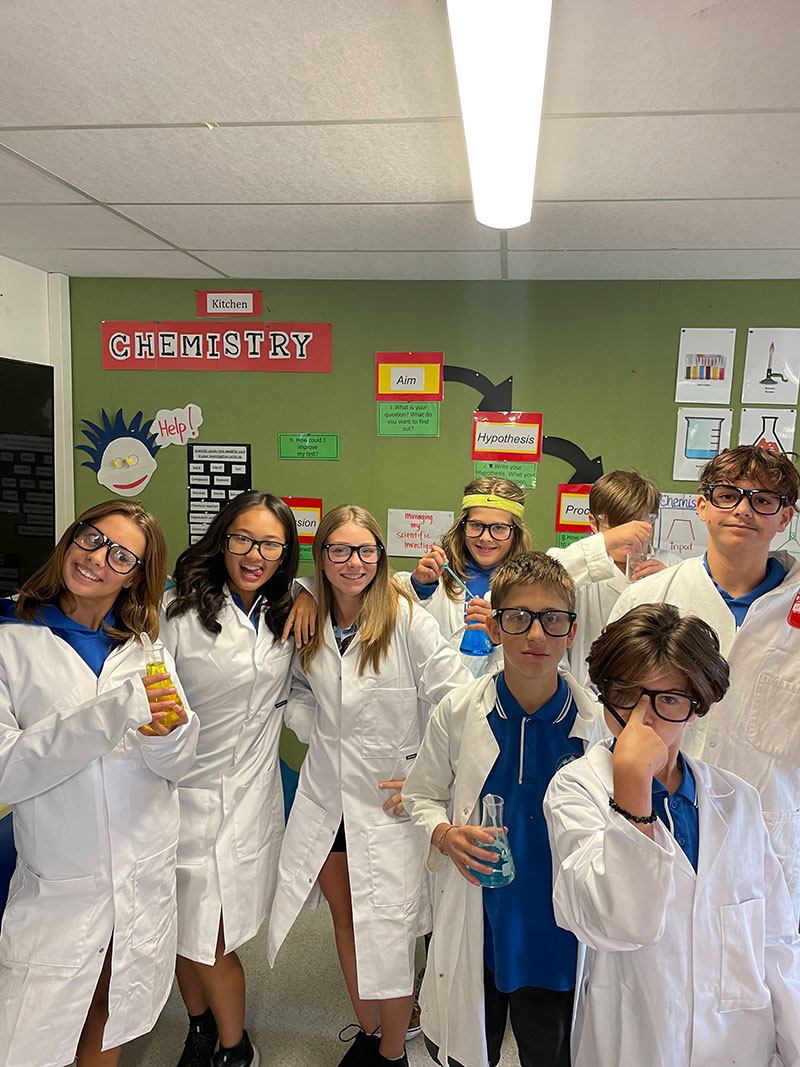
Science Club & Chess Club: Space for critical thinking, scientific exploration, and strategy.
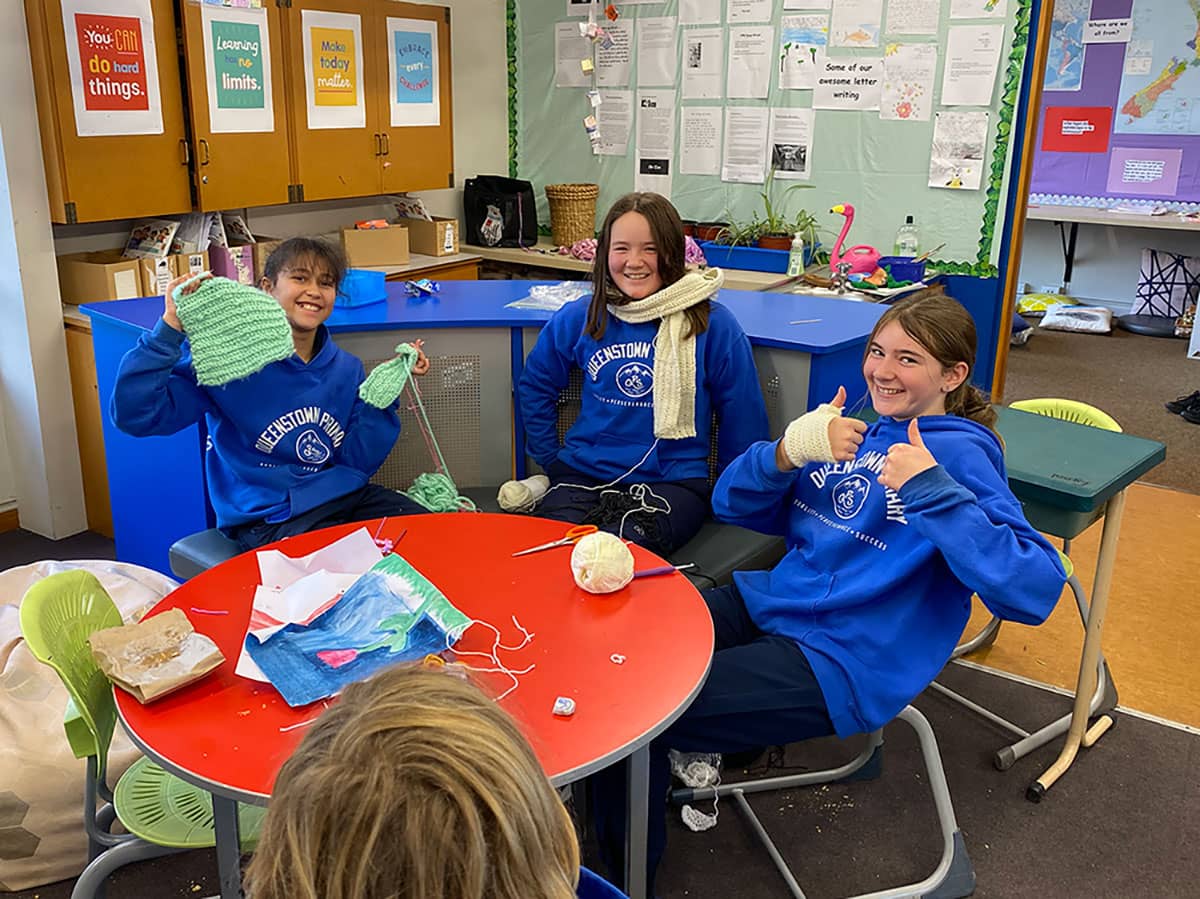
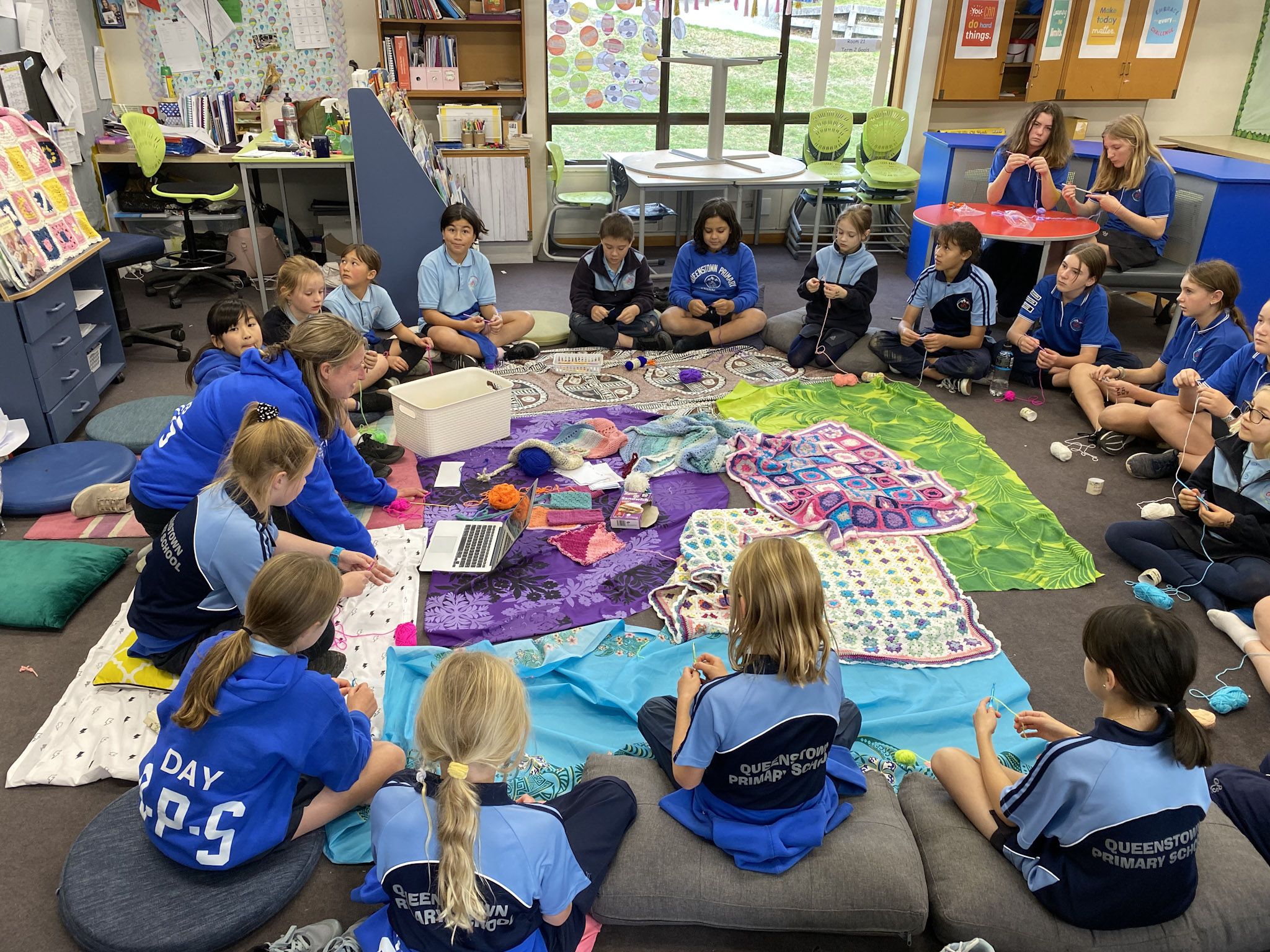
DOTs (Development of Talents): A popular multi-level elective programme where Years 3–8 students choose specialised modules like coding, sewing, arts and crafts, learning languages, or extension sports.


Capabilities
At QPS, we grow confident, lifelong learners by nurturing the essential skills our students need to thrive both inside and outside the classroom.
We empower them to become effective communicators who actively listen, interact thoughtfully, and utilise digital tools safely.
Through relating to others, our students learn to collaborate seamlessly, act with integrity, and demonstrate a deep cultural understanding of the world around them.
We foster independence through self-management and self-regulation, guiding students in goal-setting, organisation, and managing their own behaviour while building robust problem-solving capabilities rooted in critical thinking and analytical solutions.
Finally, we spark lifelong creativity by encouraging natural curiosity, hands-on experimentation, and the brave exploration of new ideas, ensuring every child is equipped for a bright future.